
November 18, 2026
Your Pet Is Doing More Than Sitting on the Couch
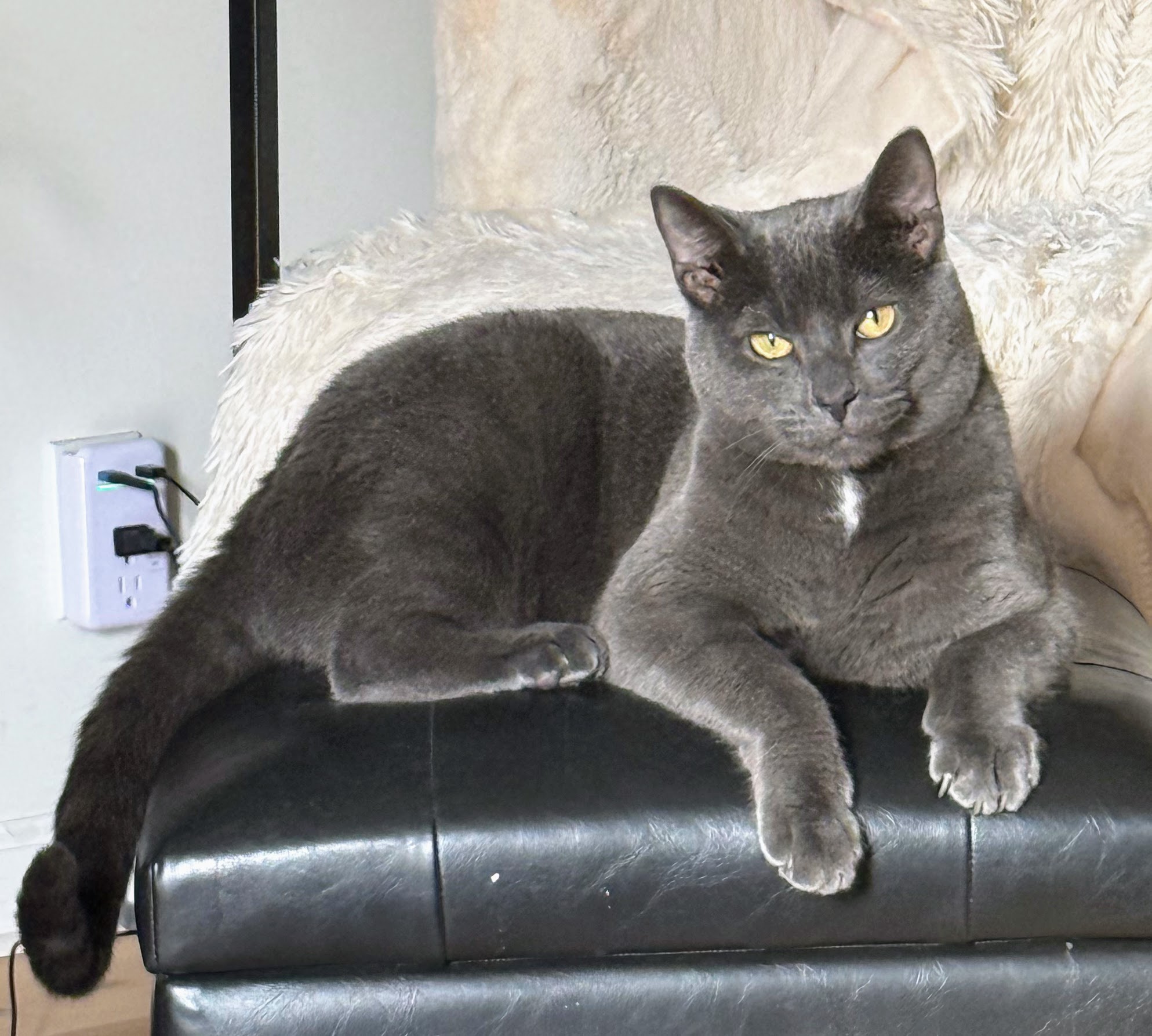
There is a reason the gray cat on the arm of the chair feels like part of the furniture and also like the best company in the house. The research has been catching up to what a lot of people already know: a pet is not just company. For people in midlife and later, that animal is quietly doing a few useful jobs.
The Mather Institute surveyed 900 adults ages 55 and older who live alone. Most of them said their pet lifted their mood. More than half said the animal eased their stress. Roughly half said the pet got them moving more, and about the same number said it made the days feel less empty.
That last one matters. Feeling isolated is not just a mood. It raises the chance of heart trouble, low spirits, and earlier memory changes. A pet does not take the place of people, but it does fill the quiet hours with something that has a heartbeat and a strong opinion about dinner.
The walking advantage
Dogs, in particular, are good at getting people outside. An umbrella review published in BMC Geriatrics looked across multiple studies and found that dog owners walk more than people without dogs. The difference shows up in ordinary daily activity, not just formal exercise.
The American Heart Association has said pet ownership, especially with dogs, is likely to help lower heart risk. A large Swedish study that followed millions of people found that dog owners living alone had a lower chance of dying, including from heart-related causes, than people in the same situation without a dog.
Cats do not insist on a morning loop around the block, but they still pull people off the couch. Looking after any animal means getting up, checking the water bowl, and moving through the house with a purpose that is not optional.
Memory and the long game
A study published in the Journal of Aging and Health found that older adults who lived with a pet did better on memory tests than people the same age who did not. The difference was larger for those who had kept their animal for five years or more, and it showed up most clearly after age 65 — the point when memory changes become more common.
Researchers think several things are happening at once. People with pets in the study tended to carry less body fat, have better blood pressure numbers, and show lower rates of diabetes. They also reported less stress, worry, and loneliness. All of those are linked to clearer thinking over time.
A 2026 systematic review in The Gerontologist looked at 26 longer-term studies from 21 countries. Most of them showed a positive link between pet ownership and healthy aging, including better physical function, sharper thinking, and lower rates of death from any cause. The results are not perfect in every study, but the overall direction is encouraging.
Dogs, cats, and the age split
The same Mather Institute survey noticed something interesting. Among people ages 55 to 64, dog owners reported fewer low-mood symptoms and better overall well-being than cat owners. Among people 75 and older, the pattern flipped: cat owners reported fewer low-mood symptoms.
It makes practical sense. A younger dog can handle a longer walk and still want to play. An older person may prefer a cat that is content to sit nearby and does not need a leash. Both animals offer company. They just fit different energy levels.
What the animal actually does
The benefits are not magic. A dog creates a reason to walk and a reason to talk to neighbors. A cat creates a reason to notice another living thing in the room. Both create a small, reliable routine — feeding, brushing, checking the litter box or the leash — that keeps the day from floating. That routine is harder to skip than a self-imposed walk around the block.
None of this means a pet is the right answer for every household. Animals cost money, need care, and can be a source of worry when they get sick. The research simply shows that for many people in midlife and later, the trade is worth it. The animal keeps them company, gets them moving, and gives the day a shape it did not have before.
That is a lot of work for a creature that mostly sleeps.